Essential Baking Skills: A Beginner's Guide to Mastering Basics
Embarking on the journey of baking can feel like stepping into a complex culinary laboratory. The mere thought of precise measurements, rising dough, and delicate decorations might seem daunting, leading many aspiring bakers to believe it's an art reserved for seasoned pros. However, nothing could be further from the truth! With the right approach and a foundational understanding, anyone can discover the immense joy and satisfaction that comes from creating delicious baked goods from scratch.
This comprehensive beginners guide to baking is designed to demystify the process, breaking down essential skills into manageable steps. Forget the notion that baking is too difficult; our mission is to make it accessible to everyone, ensuring your first forays into the kitchen are met with success and growing confidence. You'll soon discover that mastering the basics is simpler than you think, paving the way for countless delightful creations.
The Science and Art of Baking: Understanding the Foundation
Before you even preheat your oven, it's crucial to grasp a fundamental truth: baking is a fascinating blend of science and art. At its core, baking relies on precise chemical reactions triggered by a combination of ingredients, heat, and time. Understanding these basic principles is the first step in any successful beginners guide to baking.
- Ingredients: The Building Blocks
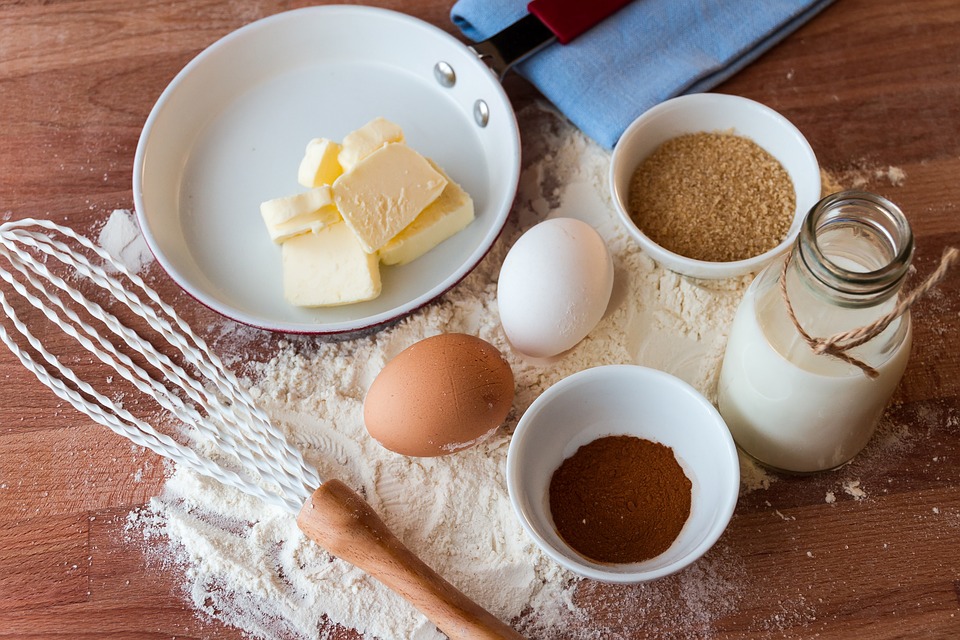
Each ingredient plays a specific role. Flour provides structure, sugar adds sweetness and aids in browning, fats (like butter or oil) contribute tenderness and flavor, eggs bind ingredients and add richness, and leavening agents (baking soda, baking powder, yeast) create the light, airy texture we love. Quality ingredients also make a significant difference, so invest in good flour and fresh dairy products.
- Heat: The Catalyst
The oven's heat transforms raw ingredients. It activates leavening agents, coagulates proteins, caramelizes sugars, and evaporates moisture, ultimately setting the structure and developing the flavor of your baked goods. Understanding your oven's nuances and maintaining consistent temperature is paramount.
- Time: The Patience Factor
Baking isn't a race. Proper baking times allow flavors to meld, textures to develop, and leavening to perform its magic. Pulling something out too early or leaving it in too long can drastically alter the outcome.
This scientific foundation underscores the importance of precision. Unlike cooking, where a pinch of this or a dash of that can be charming, baking demands accuracy. Every gram, every milliliter, and every minute counts.
Fundamental Skills Every Aspiring Baker Needs
Whether you dream of perfect cookies or intricate cakes, every master baker started as a beginner. The journey to culinary confidence is built on a handful of core skills that, with practice, become second nature. This section of our beginners guide to baking will illuminate these essential competencies.
Preparation and Organization: The Baker's Blueprint
Developing strong organizational habits is non-negotiable in baking. Before you even crack an egg, you need a clear plan. Think of it as creating a blueprint for your delicious outcome.
- Read the Recipe Thoroughly: Don't just skim! Read the entire recipe, from start to finish, at least twice. Understand each step, the order of operations, and any special instructions. If anything is unclear, research it beforehand. This prevents mid-recipe panic and mistakes.
- Mise en Place is Your Best Friend: This French culinary term means "everything in its place." Measure out all your ingredients before you begin mixing. Chop, sift, melt, and bring items to room temperature as required. This ensures you have everything on hand when needed and prevents errors due to rushing or forgetting an ingredient.
- Gather Your Tools: Ensure you have all necessary equipment, from mixing bowls and whisks to measuring cups, spoons, and a reliable kitchen scale. Check that your baking pans are the correct size and prepared (greased, floured, or lined) as specified. Having the right tools, and knowing they are ready, streamlines your process immensely.
Missing an ingredient halfway through or realizing your oven isn't preheated can derail even the simplest recipe. Proper preparation is the foundation of baking success.
Attention to Detail: The Unsung Hero of Baking
Baking rewards meticulousness. It's not enough to simply have your ingredients and tools ready; you must also verify their condition and accuracy. This keen eye for detail is what separates a good baker from a truly great one.
- Ingredient Integrity: Double-check expiration dates on dairy, leavening agents, and flour. Ensure you're using baking soda when the recipe calls for it, not baking powder, and vice-versa, as they react differently. The freshness and correct type of ingredient are critical to desired chemical reactions.
- Equipment Calibration: Are the markings on your measuring cups and spoons still clear? Do your kitchen scale and oven thermometer provide accurate readings? Over time, even simple tools can become inaccurate. Regularly testing and calibrating them, or replacing worn-out items, can prevent subtle but significant baking errors. For instance, an oven that runs 25 degrees cold can drastically alter bake times and textures.
- Environmental Factors: Consider the temperature of your ingredients (e.g., room temperature eggs and butter cream better). Also, note that humidity can affect dry ingredients like flour. Paying attention to these seemingly small factors can help you avoid common baking pitfalls.
By consistently paying close attention to these "little things," you effectively minimize the chances of a baking disaster and maximize the likelihood of a perfect product.
Developing Dexterity and Hand-Eye Coordination
While precision in measurement is paramount, baking also involves a physical artistry. Techniques like kneading dough, piping frosting, or gently folding ingredients require a degree of dexterity and hand-eye coordination. Seeing stunning, professional-looking creations online can be intimidating, but these skills are absolutely learnable.
- Practice Makes Perfect: Don't be disheartened if your first attempts at piping look more like abstract art than elegant swirls. This is a skill developed through repetition. Start with simple designs on parchment paper.
- Mastering Basic Motions: Learning to gently fold egg whites into a batter without deflating them, or kneading dough to the perfect elasticity, takes tactile understanding. These are physical skills that improve with mindful practice. Pay attention to how the mixture feels, how the dough responds.
- Start Simple, Build Confidence: Begin with recipes that require minimal decorative flair, focusing instead on developing your mixing and handling skills. As your confidence grows, challenge yourself with more intricate techniques. Remember, even the most elaborate cakes begin with basic steps.
Consider it a personal challenge; your "all thumbs" perception will quickly fade as you gain control and precision through consistent effort. For more guidance on where to begin, explore our comprehensive Baking for Beginners: Your Easy Guide to Sweet Success.
Patience: The Secret Ingredient
In our fast-paced world, patience often feels like a lost virtue, but in baking, it's an indispensable component. Rushing steps almost always leads to suboptimal results. The journey to becoming a great baker is a marathon, not a sprint.
- Embrace the Learning Curve: Your first attempt might not be perfect. Neither might your second or third. Every master baker was once a novice, and their expertise was forged through time, effort, and countless learning experiences. Don't be too hard on yourself; view every "mistake" as a valuable lesson.
- Respect the Process: Baking often involves waiting periods: dough rising, batter resting, cakes cooling before frosting. These steps are crucial. Rushing the cooling process, for example, can lead to a crumbly cake that's impossible to decorate. Allow ingredients and creations the time they need to properly develop.
- The Reward is Worth It: The satisfaction of pulling a perfectly golden-brown loaf from the oven or biting into a perfectly tender cookie is immense. This reward is amplified by the understanding that your patience and persistence contributed to that delicious outcome. Keep on keeping on, because we guarantee it's worth it!
Embracing Creativity: Beyond the Recipe
Once you've built a solid foundation of basic skills and feel confident following recipes, it's time to unleash your inner artist. Baking isn't just about replication; it's also about expression.
- Experiment with Flavors: Try new spice combinations, add different citrus zests, or incorporate unique extracts. Small changes can create entirely new taste experiences.
- Adapt and Innovate: With a grasp of basic ratios and ingredient functions, you can start adapting existing recipes to your preferences or dietary needs. Maybe swap in a different type of flour, reduce sugar, or add nuts and dried fruit.
- Personalize Your Creations: Beyond flavors, think about presentation. How can you make your baked goods uniquely yours? Different glazes, sprinkles, edible flowers, or custom decorations can transform a simple recipe into a showstopper. This is where the art truly shines, allowing you to put your personal stamp on every delicious item.
The immense satisfaction of creating something truly unique and delicious is one of baking's greatest rewards. If you're ready for immediate actionable steps, check out Baking 101: Simple Steps for First-Time Bakers.
Getting Started: Your First Steps into the Kitchen
The best way to become a baker is simply to start baking! Don't feel pressured to tackle an elaborate tiered cake on your first go. Begin with approachable recipes that build confidence and reinforce fundamental techniques.
- Choose Simple Recipes: Cookies, muffins, quick breads, or brownies are excellent starting points. They typically require fewer ingredients, simpler techniques, and shorter bake times. Focus on recipes with clear, step-by-step instructions from reputable sources.
- Invest in the Essentials: You don't need a professional kitchen, but a good set of measuring tools, a sturdy mixing bowl, a whisk, a spatula, and a couple of baking pans will serve you well. A kitchen scale is a highly recommended investment for accuracy.
- Practice, Practice, Practice: Baking is a skill, and like any skill, it improves with consistent practice. Don't be afraid to try new recipes or revisit old ones to refine your technique. Every time you bake, you learn something new.
Conclusion
Baking is a delightful and rewarding pursuit that is far more accessible than many realize. By embracing key skills such as meticulous preparation, keen attention to detail, developing your dexterity, cultivating patience, and ultimately, unleashing your creativity, you can confidently navigate the kitchen and produce incredible results. This beginners guide to baking offers the foundational knowledge you need to start your culinary adventure. Remember, every master baker began by mastering the basics. So grab your apron, preheat your oven, and embark on your sweet journey today – your taste buds will thank you!
