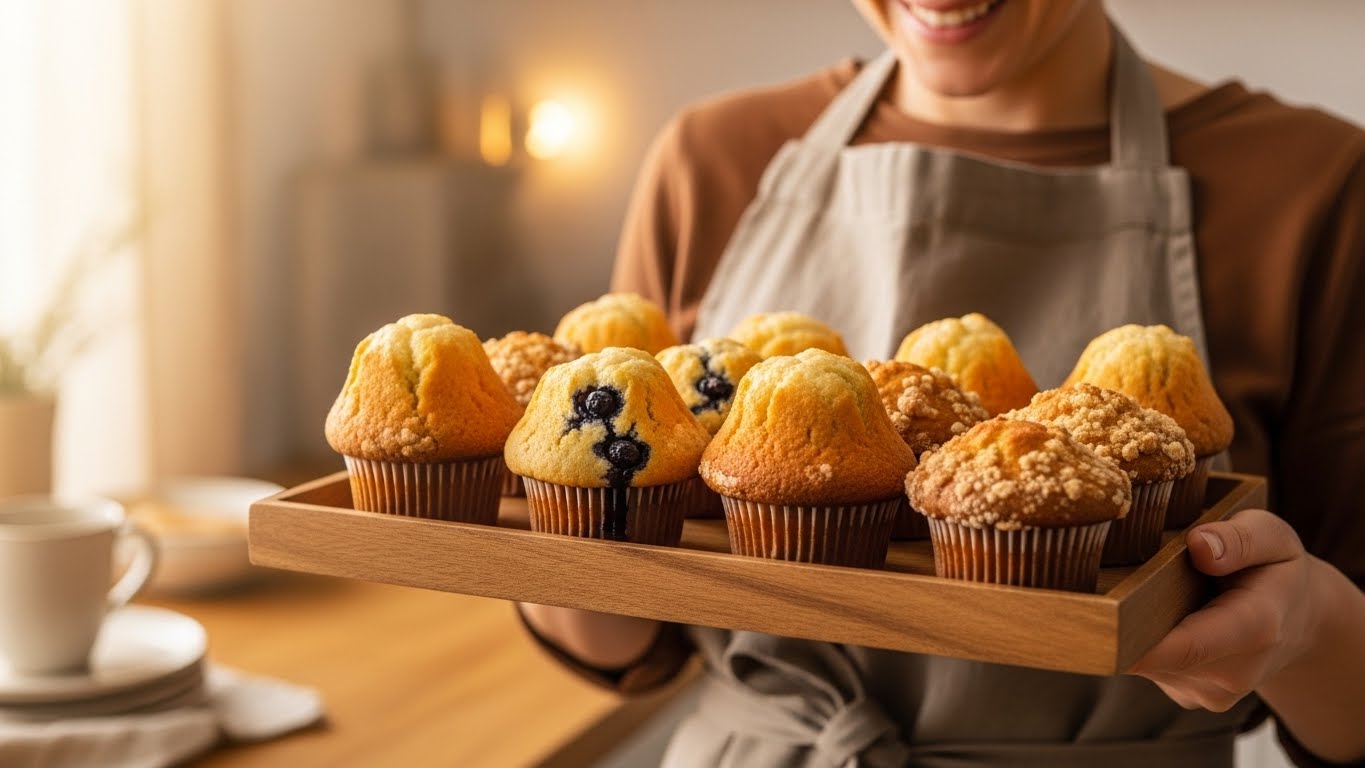
Baking 101: Simple Steps for First-Time Bakers
Have you ever scrolled through social media, admiring perfectly frosted cakes and golden-brown cookies, only to dismiss the idea of baking them yourself as too difficult? You're not alone! Many aspiring home bakers feel overwhelmed by the perceived complexities of yeast, rising dough, and precise measurements. However, we're here to tell you that with the right guidance and a willingness to learn, baking is not only achievable but incredibly rewarding. This comprehensive
beginners guide to baking will demystify the process, breaking down what it takes to transform simple ingredients into delicious creations. Our mission is to make the world of baking accessible to everyone, helping you discover that your baking journey can be as sweet as the treats you create.
Unlock Your Inner Baker: Why Baking Isn't as Hard as You Think
The beauty of baking lies in its unique blend of science and art. While cooking often allows for improvisation and "a pinch of this, a dash of that," baking thrives on precision. This might sound intimidating, but it’s precisely what makes it predictable and, ultimately, easier to master once you understand the basic principles. Think of baking as following a well-written formula – if you follow the steps, you're highly likely to get a great result.
Many first-time bakers worry about elaborate techniques or complex equipment. The truth is, you can start with very basic tools and simple recipes, gradually building your skills and confidence. The most crucial ingredient you need is a curious mind and a readiness to practice. Every master baker started as a beginner, and their success came from consistent effort and learning from each experience, good or otherwise. So, take a deep breath, read on, and prepare to embark on a delightful culinary adventure.
Mastering the Fundamentals: Essential Skills for First-Time Bakers
Becoming a skilled baker isn't about natural talent; it's about developing a set of core skills that make the process smoother and more enjoyable. These aren't just tips; they are foundational habits that will serve you well whether you're making a simple batch of cookies or a multi-layered cake. For a deeper dive into these core competencies, consider exploring our
Essential Baking Skills: A Beginner's Guide to Mastering Basics.
1. Preparation and Organization: Your Foundation for Success
Before you even think about cracking an egg or preheating your oven, preparation is paramount. This isn't just about gathering ingredients; it's about understanding the entire process.
*
Read the Recipe Thoroughly: Don't just skim! Read the recipe from start to finish at least twice. Understand each step, the order of operations, and any special instructions (like chilling dough or preheating to a specific temperature). If you encounter an unfamiliar term, take a moment to look it up. Research is your friend!
*
Mise en Place: This French culinary term means "everything in its place." Before you begin, measure out all your ingredients, chop, sift, and have them ready. This prevents frantic searching for flour mid-mixture and ensures you don't forget anything crucial. It also makes baking a much more relaxed experience.
*
Gather Your Tools: Ensure all your baking pans, mixing bowls, spatulas, whisks, and measuring cups/spoons are clean and readily accessible. Precision is key in baking, so having accurate measuring tools (ideally a kitchen scale for dry ingredients) is non-negotiable.
2. Attention to Detail: The Baker's Eye
Once you've prepared, it's time to pay close attention to the smaller, often overlooked, details that can make or break your bake.
*
Ingredient Quality and Condition: Double-check expiry dates. Are your eggs at room temperature if the recipe calls for it? Is your butter softened, melted, or cold? These nuances significantly impact the final texture and consistency. For example, cold butter is essential for flaky pie crusts, while room-temperature butter creams beautifully for cakes.
*
Tool Functionality: Are the markings on your measuring cups and spoons still clear? Is your oven thermometer accurate (many home ovens run hot or cold)? Has your oven been cleaned recently? Residue can affect heat distribution. A clean oven and working tools minimize potential disasters.
*
Oven Preheating: Always allow your oven ample time to fully preheat. Most recipes specify a temperature, but the oven often needs 15-20 minutes beyond the initial beeping to reach and stabilize at that temperature throughout the cavity.
3. Developing Hand-Eye Coordination: The Art of Decoration
While deliciousness is primary, presentation adds another layer of joy to baking. Seeing stunning, Insta-worthy creations online might seem intimidating, but techniques like icing, piping, and frosting are skills that can be learned and honed with practice.
*
Start Simple: Don't aim for a multi-tiered fondant cake on your first try. Begin with simple glazes, dusting with powdered sugar, or a basic buttercream spread with an offset spatula.
*
Practice Makes Perfect: Get a piping bag and a few tips, then practice on a piece of parchment paper or an overturned bowl. You can reuse the frosting, so there's no waste! Experiment with swirls, stars, and lines. You'll be amazed at how quickly your hand becomes steadier. Remember, creativity often starts with repetition.
4. The Virtue of Patience: A Key Ingredient
Baking is not a race. It requires patience at every stage, from waiting for butter to soften to allowing a cake to cool completely before frosting.
*
Don't Rush the Process: From properly creaming butter and sugar to letting dough proof, rushing can compromise the end result. If a recipe says "beat until light and fluffy," it means just that – don't stop after a minute if it still looks dense.
*
Embrace Imperfection: Your first attempt might not be perfect, and that's perfectly okay! Even seasoned bakers have off days. Learn from your mistakes – did you overmix? Undermix? Oven too hot? Too cold? Each "failure" is a valuable lesson. All master bakers were beginners once, and their expertise grew from dedication and perseverance.
Baking for Beginners: Your Easy Guide to Sweet Success emphasizes this journey of learning and growth.
*
Cooling Times are Crucial: Resist the urge to cut into a cake straight out of the oven. Cooling allows the structure to set and flavors to fully develop. Cutting too early can lead to crumbling or a gummy texture.
5. Embracing Creativity: Beyond the Recipe
Once you've gained confidence in following recipes and understanding the basics, it's time to let your creative juices flow! Baking is a wonderful outlet for personal expression.
*
Experiment with Flavors: Start by swapping out extracts (vanilla for almond, lemon for orange) or adding spices (cinnamon, nutmeg, cardamom). You can also play with mix-ins like chocolate chips, nuts, or dried fruit.
*
Develop Your Own Twists: As you understand how different ingredients interact, you might feel empowered to tweak existing recipes or even develop your own. Maybe a touch of sea salt to balance sweetness, or a different kind of flour for texture.
*
Personalize Decorations: This is where your hand-eye coordination practice comes in! Create unique designs, experiment with glazes, or incorporate fresh fruits and edible flowers. The immense satisfaction of creating something beautiful and delicious with your own hands is truly unparalleled.
Your First Bake: Practical Tips for a Smooth Start
Ready to get started? Here are some actionable tips to ensure your initial baking experiences are positive and encouraging:
*
Start Simple: Choose a beginner-friendly recipe like chocolate chip cookies, brownies, or a simple quick bread. These recipes often have fewer ingredients and less complex steps.
*
Read the Recipe *Again*: Before you touch a single ingredient, re-read your chosen recipe one last time to embed the steps in your mind.
*
Don't Be Afraid to Ask: If you're stuck on a step or don't understand an instruction, there are countless online communities, forums, and resources (like this one!) where you can find answers.
*
Invest in a Kitchen Scale: While measuring cups work, a kitchen scale provides far greater accuracy for dry ingredients like flour and sugar. Precision is key in baking, and a scale removes guesswork.
*
Keep a Baking Journal: Note down the recipe you used, any adjustments you made, how long you baked it, and the results. This is invaluable for tracking what works and what doesn't.
From Novice to Noodler: Embracing the Joy and Creativity of Baking
Baking is more than just following instructions; it’s an experience that engages your senses and offers a unique kind of satisfaction. The aroma of freshly baked bread filling your home, the warm taste of a homemade cookie, or the joy of sharing your creations with loved ones are all part of the magic. It’s a therapeutic process that allows you to slow down, focus, and create something tangible and delightful.
As you gain experience, you'll develop a baker's intuition – knowing by touch when dough is kneaded enough, or by smell when a cake is perfectly done. This journey of discovery is what makes baking so endlessly fascinating.
Conclusion
Embarking on your baking journey can be one of the most rewarding decisions you make in the kitchen. With this
beginners guide to baking, you now understand that success hinges on preparation, attention to detail, developing basic skills, and most importantly, patience. Don't be deterred by initial challenges; every bake, whether perfect or slightly flawed, is a learning opportunity. So grab your apron, preheat that oven, and start creating. The world of delicious possibilities awaits you!